
Anorexia Nervosa Recovery Support
Recovery from anorexia isn't about getting the "right" meal plan or following more rules. It's about reclaiming your life — body, mind, and spirit — from a voice that told you you weren't enough.
The True Food and Body Image Program is an online program designed for ongoing support on the other side of the initial work: when you're ready to deepen your recovery, rebuild trust with your body, and quiet the eating disorder voice for good. This is not medical nutrition therapy — it's a space to heal your relationship with food and yourself, fully and lastingly.


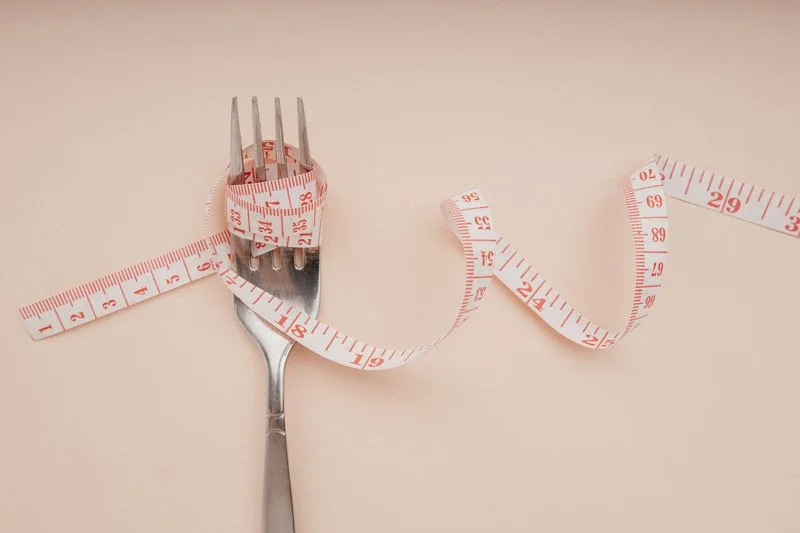
What does anorexia mean?
Anorexia is s a serious mental and physical health condition catalogued in the DSM-5. It convinces you that restriction is control, that weight gain is dangerous, and that the person staring back at you isn't good enough. It feeds on fear, distorts how you see your body, and keeps you trapped in smaller and smaller rules around food. And none of that is your fault.
Sustainable recovery is possible with support.
High-Touch Program
True Food & Body Image Freedom
True Food & Body Image Freedom is a 3-month group coaching program to completely heal your relationship with food on the deepest of levels so you can experience lasting peace, stop the binge-restrict cycle, and finally trust your body.
This program is for the woman who wants to silence food and body noise forever, and experience full confidence and trust with food and body. She doesn't want another quick fix to manage symptoms… she wants full recovery and a new way of living. Forever.
The 5-Step Healing Methodology
-
Science and Subconscious
You'll learn the science and the subconscious roots behind how YOUR specific disordered eating behaviors came about, and how to eradicate bingeing, restricting, over-exercising, and obsessing for good.
-
Body Trust and Intuitive Eating
This is where we make things enjoyable and you learn true intuitive eating, so you can have all foods in the house and enjoy any food you want, while feeling completely in control.
-
Silencing the Noise
We work to silence your food noise and food guilt so food begins to take up a smaller amount of space in your life, and you can start focusing on things that actually matter.
-
Deep Body Acceptance
We build in deep trust and acceptance with your body so you feel confident in your body no matter what it looks like.
-
Sustainable Health
You'll learn the science of how to pursue sustainable health and nutrition outside of the narrative of diet culture and a focus on losing weight. For example, so you can enjoy a HIIT workout if you love that and eat healthy, but also enjoy an ice cream, or take 2 weeks off from the gym with zero guilt.
This Isn't Medical Nutrition Therapy —
Here's What That Means
Medical Nutrition Therapy (MNT) is an important part of anorexia nervosa treatment and recovery. It involves working directly with a registered dietitian who can assess your individual nutritional needs, help you restore adequate nourishment, and provide personalized guidance as you navigate recovery.
The True Food and Body Image Freedom Program is different.
This program isn't designed to replace your dietitian, therapist, or eating disorder treatment team. Instead, it's an educational program that helps you explore the deeper patterns that can keep you feeling stuck, even when you've already made progress with food.
Because here's something I see all the time: You can know what your body needs nutritionally and still struggle with the fear, guilt, rigid thinking, and body image challenges that make recovery so difficult.
That's where this program comes in.
We go beyond the food itself to explore the beliefs, emotions, and behaviors that influence your relationship with food and your body. You'll learn tools to challenge eating disorder thoughts, build self-trust, and continue doing the deeper work that supports lasting recovery.
Think of it as an additional layer of support, not a replacement for treatment.
If you're currently struggling with restriction, nutritional instability, or other active anorexia symptoms, individualized care with an eating disorder treatment team is essential. This program is designed to complement that care when appropriate, particularly for those who are medically stable and ready to deepen the psychological and body image work of recovery.
Is This Program Right for You?
Maybe you've already made progress in your anorexia recovery, but food and your body are still taking up WAY more mental space than you'd like.
You're eating more consistently, challenging some of those old food rules, and doing the work. But the fear of weight gain, body image struggles, guilt around eating, or that constant eating disorder voice? It's still there.
Or maybe you feel like you know everything you're supposed to do in recovery, but actually feeling free around food is a whole different story.
If that sounds familiar, this program may be a good fit for you.
The True Food and Body Image Freedom Program is designed for people who want to go deeper than just changing their eating behaviors. It's for those who want to understand WHY these patterns developed, work through the beliefs and fears keeping them stuck, and build a relationship with food and their body that isn't controlled by the eating disorder.
You don't have to have everything figured out or feel completely confident in your recovery to start doing this work.
One important thing to know: This program isn't a replacement for individualized anorexia treatment, medical monitoring, or nutritional rehabilitation. If you're actively restricting, medically unstable, or need support meeting your nutritional needs, working with an eating disorder treatment team is the best place to start. This program may complement that care when your treatment team feels it's appropriate.
Because ultimately, recovery isn't just about being able to eat the food.
It's about getting to a place where food and your body no longer get to run your life.

GET STARTED
Ready to get 95% of your brain space back and experience true food freedom?
About Jamie
I'm Jamie, a Registered Dietitian who spent 12 years battling a severe eating disorder. I know exactly what it feels like to be trapped in the cycle of bingeing, restricting, and obsessing over every calorie.
After finally achieving full recovery, I dedicated my life to helping other women do the same. Today, I run a group practice where my team and I help over 250 clients every single week navigate this exact journey and get their lives back. I built True Food & Body Image Freedom to be the exact roadmap I wish I had when I was struggling.
Client Love
♡
Client Love ♡
FAQ
-
Research suggests that roughly 40–60% of people with anorexia nervosa achieve full recovery over the long term, although estimates vary depending on how recovery is defined.
But here's what I want you to know: Full recovery IS possible. And it's about so much more than restoring weight or eating consistently. It's about getting to a place where food and your body no longer control your thoughts, choices, and life. Even if you've struggled for years, it's never too late to work toward recovery.
-
The DSM-5-TR identifies three main criteria for anorexia nervosa:
Restriction of food intake leading to significantly low body weight.
Intense fear of weight gain or behaviors that interfere with weight gain.
Distorted body image, placing excessive importance on weight or shape, or difficulty recognizing the seriousness of low body weight.
Here's what's important: You don't have to meet every criterion to have a serious eating disorder. Atypical anorexia can involve the same dangerous behaviors and health consequences without someone being underweight. Eating disorders don't have a certain look, and everyone deserves support.
-
Although people often use these terms interchangeably, they're actually different.
Anorexia simply means loss of appetite, which can happen because of illness, medications, or other medical conditions.
Anorexia nervosa is an eating disorder involving restrictive eating, fear of weight gain or behaviors that prevent weight gain, and disturbances in body image.
And something that surprises people? Many individuals with anorexia nervosa actually experience intense hunger and think about food constantly. It's not simply about having no appetite.
-
Medical Nutrition Therapy (MNT) involves individualized nutrition care with a registered dietitian, including nutritional rehabilitation, addressing malnutrition, and helping you meet your body's nutritional needs.
The True Food and Body Image Freedom Program focuses on the deeper work behind your relationship with food and your body.
Because you can know exactly what to eat and STILL struggle with food guilt, fear of weight gain, rigid rules, and negative body image.
This educational program helps you understand the psychology and beliefs underneath those struggles while building self-trust and flexibility. It's designed to complement your eating disorder treatment team, not replace individualized nutrition care or therapy.
-
First, understand that anorexia isn't simply someone choosing not to eat. There's often an enormous amount of fear and anxiety behind food restriction, and telling someone to "just eat" rarely helps.
Lead with compassion, not judgment. Listen to what they're experiencing, avoid comments about weight or appearance, and encourage support from an eating disorder treatment team.
And remember, you don't have to fix everything yourself. Your role is to support them while helping them access appropriate care. If they're refusing food or fluids or showing signs of medical instability, prompt medical evaluation is important.
-
Recovering from undereating starts with consistently giving your body the nourishment it needs. But after prolonged restriction, hunger and fullness cues can become unreliable, and eating more may bring up anxiety, guilt, or physical discomfort.
That's why structured eating and support from an eating disorder dietitian can be so important. If you've been severely restricting, medical guidance is essential because increasing intake can carry a risk of refeeding syndrome.
And recovery goes beyond food. Understanding the fears, beliefs, and patterns that contributed to undereating is an important part of healing.
Because the goal isn't just to eat more. It's to feel free around food again.