
What Is Food Noise? Understanding Constant Thoughts About Eating
Food noise is the constant, intrusive preoccupation with food. It’s defined by persistent thoughts about what to eat next, cravings, and ruminations, even though someone might not be physically hungry. These thoughts are intrusive and can disrupt daily life, relationships, and become obsessive.

Food Noise Synonyms
Obsessive food thoughts
Food cravings/appetite/hunger (some critics argue this is a rebranding of these)
Food preoccupation
Internal food chatter

What Does Food Noise Feel Like?
Does any of this sound familiar?
You’re already thinking about what you're going to eat for dinner while you're still chewing your lunch—or waking up immediately wondering what you'll eat all day.
Do you run an internal tally of calories, macros, or points, asking yourself, "If I eat this now, what do I have to cut out later?"
Do you constantly obsess over foods you’ve labeled as “bad”.
Are you distracted and anxious at parties or restaurants because your mind is hyper-focused on what everyone else is ordering?
Do you spend hours feeling guilty about what you’ve eaten in the day?
Do you eat past comfortable fullness?
Do you use food to help you manage emotion? Are you a stress, sad, or bored eater?
Do you feel exhausted at the end of the day from spending all your time negotiating, battling, or thinking about food choices?



About Jamie
I'm Jamie, a Registered Dietitian who spent 12 years battling a severe eating disorder. I know exactly what it feels like to be trapped in the cycle of bingeing, restricting, and obsessing over every calorie.
After finally achieving full recovery, I dedicated my life to helping other women do the same. Today, I run a group practice where my team and I help over 250 clients every single week navigate this exact journey and get their lives back. I built True Food & Body Image Freedom to be the exact roadmap I wish I had when I was struggling.

Hormones & Dopamine
Food noise is driven by ghrelin (your "hunger" hormone) signaling for energy, while leptin (your "satiety" hormone) drops, leaving your brain feeling under-fueled. At the same time, dopamine spikes in anticipation of eating, turning up the mental volume on food as your brain seeks quick relief and pleasure.
The Biology Behind the Noise:
Why Your Brain Won't Quiet Down
The "Dieting Loop"
When you restrict food, your primitive brain can't tell the difference between a diet and an actual famine, so it enters survival mode. To protect you, it surges ghrelin, heightens dopamine sensitivity, and floods your thoughts with food—making food noise a natural biological response to perceived starvation, not a lack of willpower.
Common Triggers of Increased Food Noise
Chronic Dieting & Energy Deficiency: When your body is constantly running in an energy deficit, your brain perceives starvation and dials up food noise as a biological survival mechanism. It isn't a lack of willpower; it is your nervous system relentlessly reminding you to fuel yourself so you can stay safe and function.
Emotional and Sensory Triggers: While physical hunger stems from your stomach needing fuel, "brain hunger" is often an attempt to seek comfort, soothe overwhelm, or change how you feel in a given moment. When emotional or sensory distress hits, food noise naturally spikes because your brain recognizes food as a fast, reliable source of comfort and dopamine.
Neurodivergence & Sensory Needs: For neurodivergent folks (such as those with ADHD or Autism), food noise is frequently linked to a search for dopamine, sensory stimulation, or a response to sensory overload. Preoccupation with food often serves as an unconscious way to self-regulate a dysregulated nervous system or break through under-stimulation.
Clean Eating and Health Trends: Moralizing food into "good" and "bad" categories triggers psychological deprivation, which actually heightens your brain's fixation on forbidden foods. What looks like a healthy lifestyle on the surface is often just a rigid diet in disguise, keeping food noise loud through hyper-fixation and fear.
How to Manage Food Noise Without More Dieting
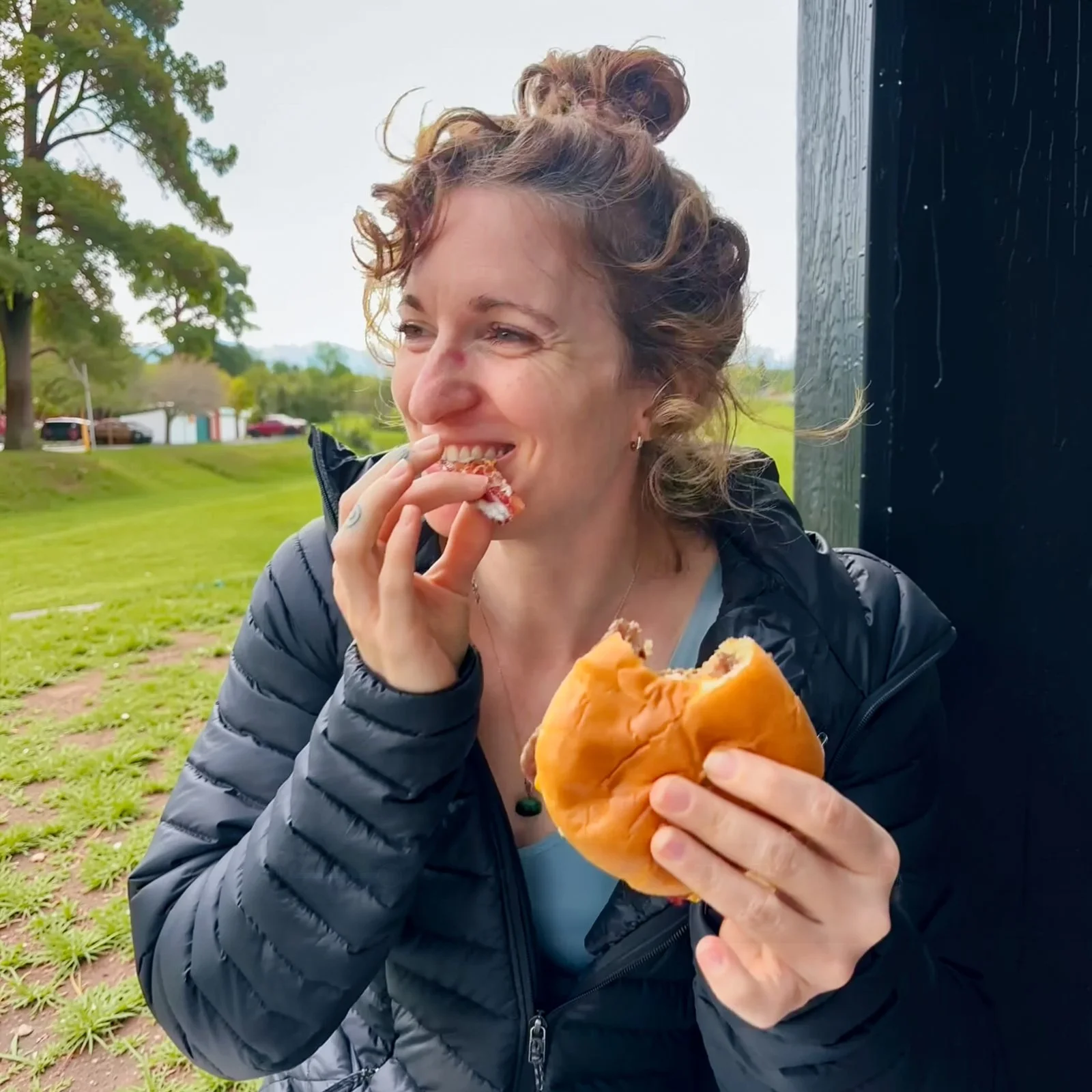
Imagine moving through your day without food noise dominating your brain.
Imagine keeping all foods in the house without fear of bingeing, and feeling totally confident in your body.
When you get 95% of your brain space back, everything changes:
Career: You can actually focus on your work, show up to meetings without obsessing over what you ate for breakfast, and go after the promotions you've been putting off.
Relationships: You can have pizza night with your kids without counting calories, go on dates without panicking about the menu, and actually be present with the people you love.
Health: You can enjoy a HIIT workout if you love it, eat healthy, but also enjoy an ice cream or take two weeks off from the gym with zero guilt.
When to Seek Professional Support
Signs Food Noise is Part of a Larger Pattern of Disordered Eating or an Eating Disorder
Constant mental exhaustion:
Food thoughts, calorie counting, or planning your next meal consume a significant portion of your day, leaving little mental space for work, relationships, or hobbies.
Rigid rules and deep distress:
You feel intense anxiety, guilt, or shame if you eat outside of specific "safe" hours, exceed self-imposed rules, or eat foods labeled as "bad" or "unhealthy."
Compensatory behaviors:
You feel compelled to "earn" your food or "burn off" what you ate through exercise, strict fasting, skipping subsequent meals, or using laxatives.
Bingeing or loss-of-control eating:
You experience episodes where you feel unable to stop eating or feel completely disconnected from your body while eating large amounts of food in a short time.
Social withdrawal and isolation:
You skip gatherings, family dinners, or social events because you feel anxious about the food being served, being seen eating, or not knowing the exact ingredients.
Physical warning signs:
You experience ongoing fatigue, frequent lightheadedness, gastrointestinal distress, hair thinning, feeling cold constantly, or loss of a menstrual period (amenorrhea).
Body checking or extreme avoidance:
You find yourself compulsively weighing yourself, pinching body parts, and checking mirrors—or conversely, completely avoiding mirrors, photos, and close-fitting clothing out of intense body distress.
Secrecy around food:
You hide food wrappers, eat in secret to avoid judgment, or lie to loved ones about when, what, or how much you’ve eaten.

You don't have to navigate this mental load alone.
Contact Jamie and Learn More About the Food & Body Image Freedom Group Coaching Program.
What they say about Jamie
-
“I will never forget Jamie, she was an essential factor in my recovery”
-
“Ever since working with Jamie, 4 years ago, I have been completely binge free and trust food!”
-
“I feel bad for the little girl hiding wrappers but find comfort she is now recovered”
FAQ About Food Noise
-
Food noise can occur with an eating disorder, especially when someone is restricting food, following rigid food rules, or feeling preoccupied with eating. However, experiencing food noise alone does not necessarily mean you have an eating disorder—a qualified professional can help assess the full picture. Regardless of the cause, if you're struggling with food noise, you deserve support. Food noise can steal the joy from eating and take up far too much mental space, but it doesn't have to stay this way. With the right support and by addressing the underlying roots, it's possible to rebuild trust with food, quiet the food noise, and experience more freedom around eating.
-
Intuitive eating is an important part of healing food noise, but it's often not the whole story. While consistently nourishing your body and letting go of food rules can help, many people find food noise remains because the deeper roots—such as underlying beliefs, protective patterns, nervous system responses, and past experiences—haven't been addressed. Healing those roots while rebuilding trust with food and your body is what creates lasting freedom.
-
Dieting often makes food noise louder because physical or mental restriction tells your brain that food may be scarce. This can increase thoughts about food, cravings, and feelings of losing control around eating. Although ending restriction is an important part of healing, many people find food noise persists until they also address the deeper roots—such as food beliefs, protective patterns, and past experiences—and begin rebuilding a trusting relationship with food and their body.
-
ADHD may contribute to food noise for some people through differences in attention, impulsivity, executive functioning, or reward-seeking, but food noise is not an ADHD symptom by definition. Restriction, inconsistent eating, stress, and eating-disorder concerns may also play a role.
-
There isn't one natural "hack" to stop food noise, but healing is possible. While consistently nourishing your body and letting go of food rules are important first steps, lasting freedom often comes from understanding and healing the deeper roots of food noise—including the beliefs, fears, protective patterns, and experiences that keep it going. As you rebuild trust with food and your body, food can begin to take up less mental space and more joy can return to eating.
-
Food noise can feel addictive because the thoughts about food can be persistent, overwhelming, and difficult to ignore. However, food noise is often better understood as a response to restriction, unmet physical or emotional needs, protective patterns, or a relationship with food that has been shaped by past experiences rather than a true addiction. By addressing those deeper roots and rebuilding trust with food and your body, food noise can become significantly quieter over time.
-
Food noise may sound like constantly planning your next meal, mentally calculating what you have eaten, negotiating whether you are “allowed” certain foods, or repeatedly worrying that you ate too much. It can also include frequent cravings, guilt after eating, or feeling unable to focus because so much mental energy is spent thinking about food.